// prompt collection
Crosshatch art AI prompts
Crosshatching is the hardest classical technique to fake — density, line weight and hatch angle all have to agree. The prompts behind these ink studies get it right, and each one is unlockable below: copy it and run it on your own photo in ChatGPT or Gemini.


More prompts you may like
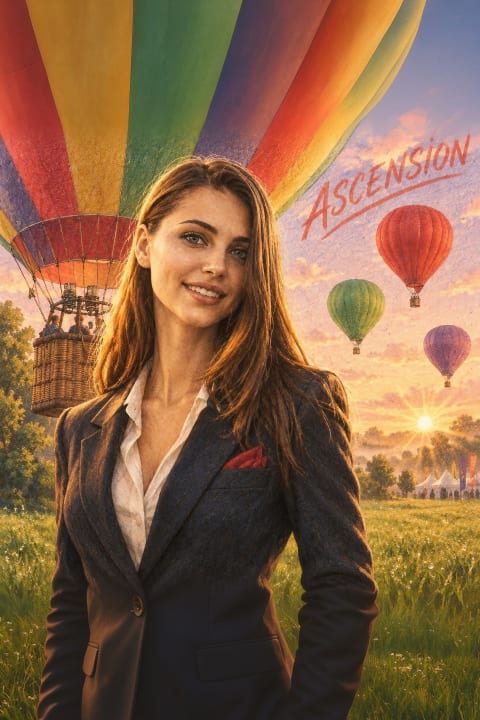

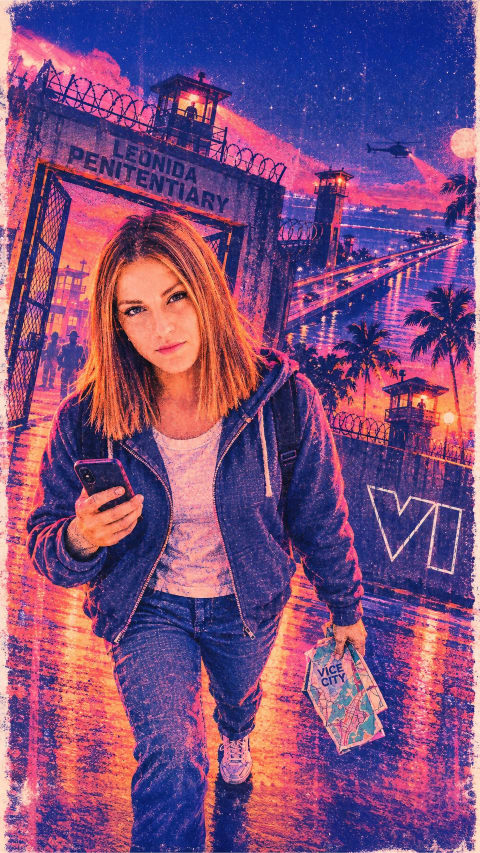
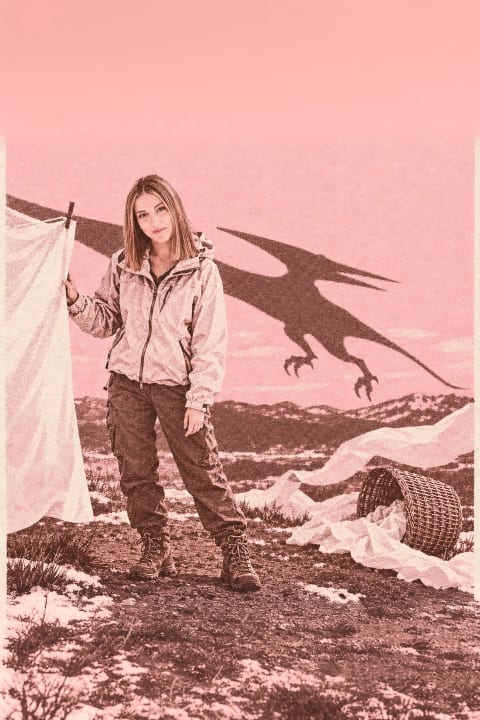
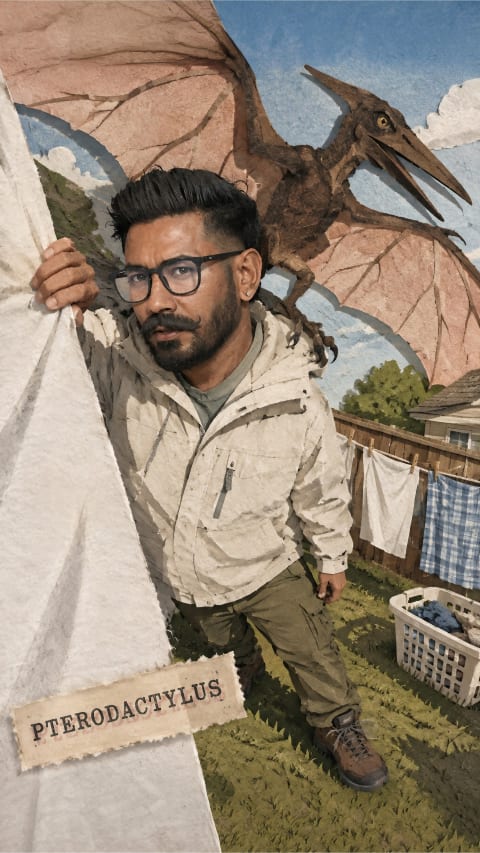
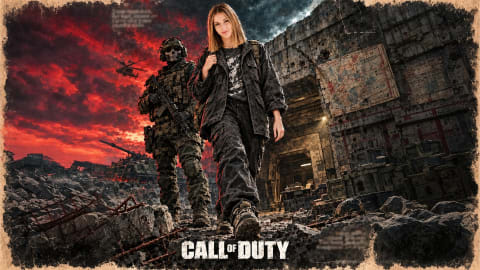
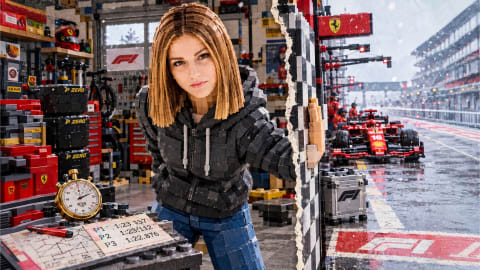
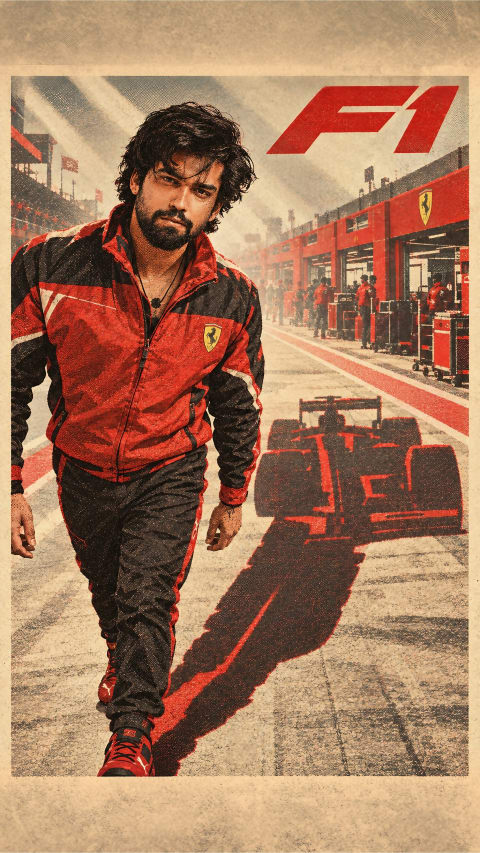

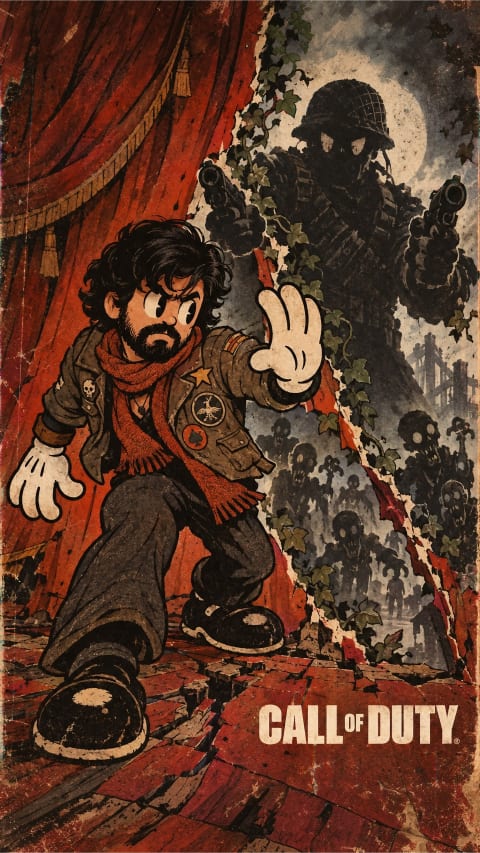

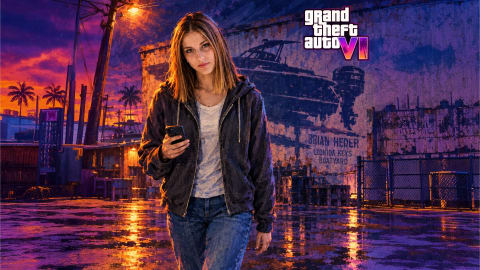
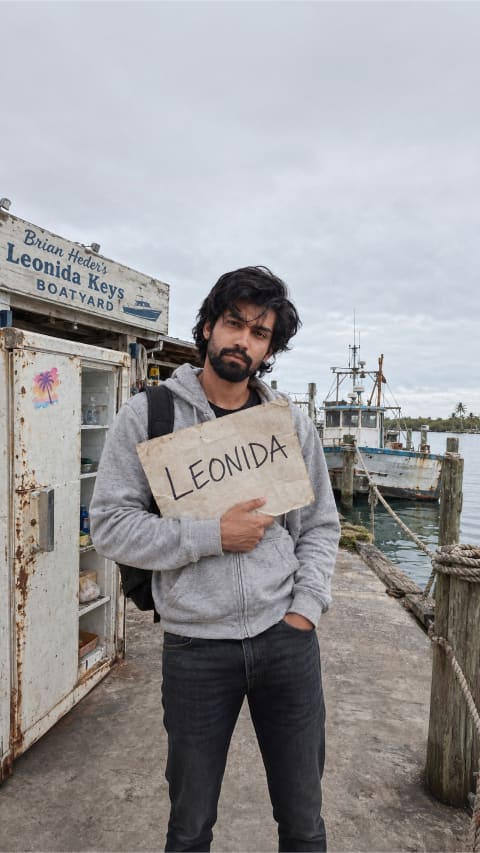


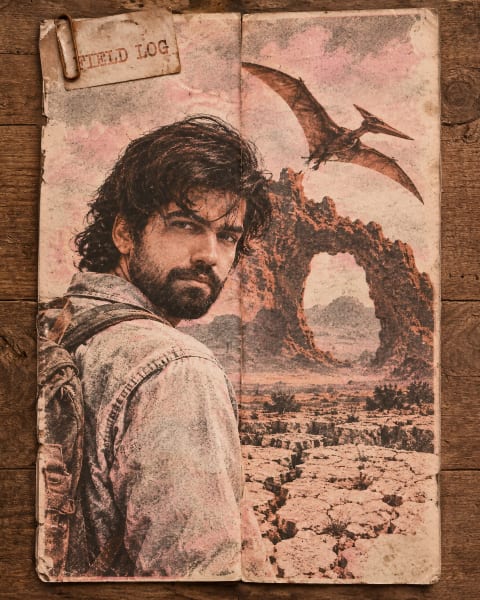
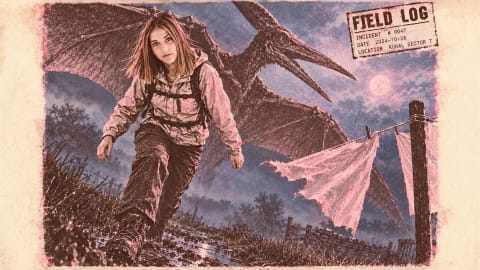
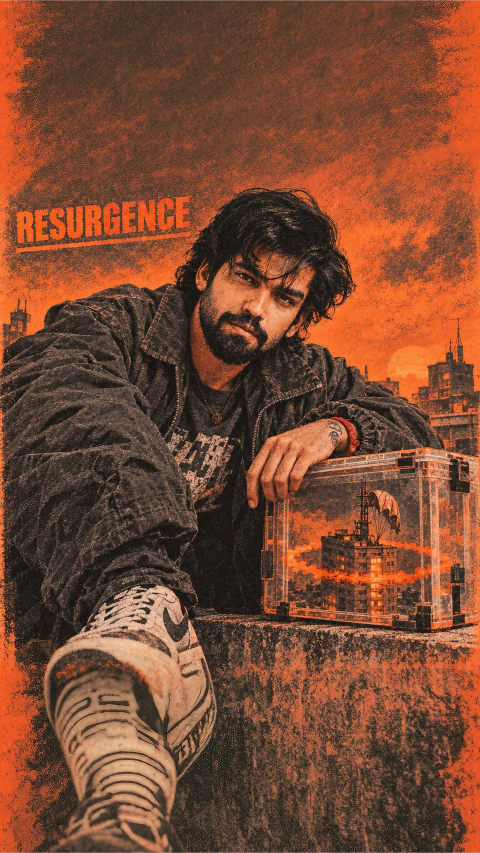
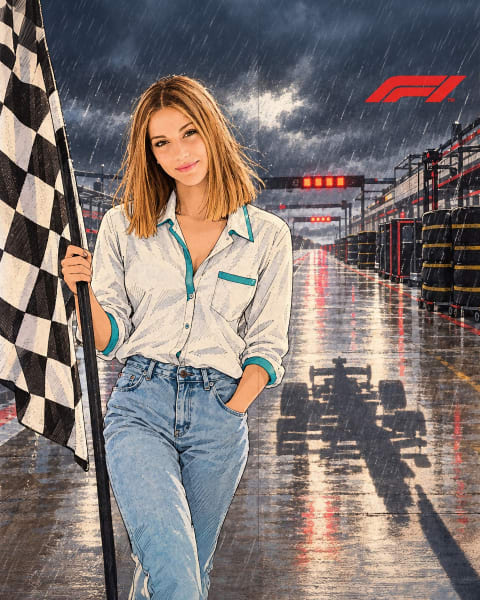
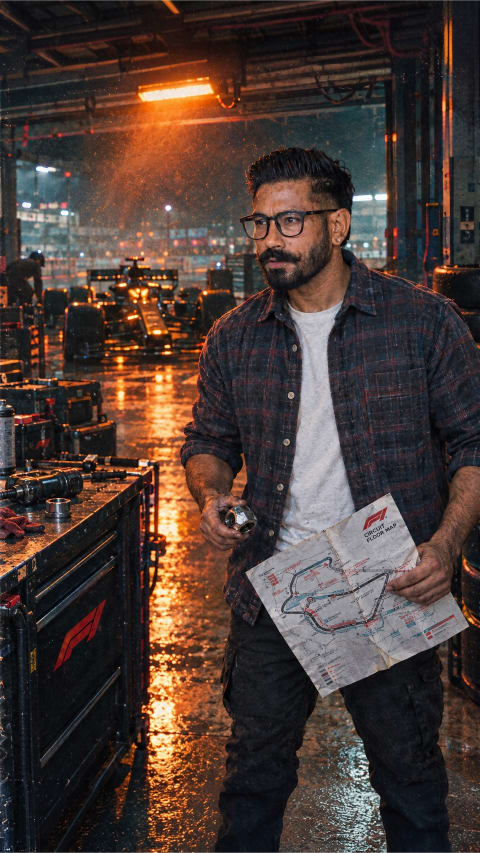
How to adapt crosshatch art ai prompts to your own photo
Every prompt in this Crosshatch art collection is written as a modular scene recipe rather than a rigid one-word filter. When you upload a selfie alongside the unlocked text in ChatGPT or Google Gemini, the opening clause anchors your facial proportions while the remaining clauses build wardrobe, lighting direction, lens depth, and color grade around you.
Reference photo checklist
Use an unobstructed, eye-level photo shot at arm’s length or further in natural daylight. Avoid heavy sunglasses, harsh overhead shadows, or ultra-wide close-ups that exaggerate nose-to-ear perspective.
Safe edits vs. risky edits
Keep the identity-preservation sentence at the top verbatim. Below it, freely swap color palette, time of day, weather, or fabric textures — changing one clause per render so you can see exactly what moved.
ChatGPT vs. Gemini tip
Start in ChatGPT when strict facial likeness and multi-part wardrobe rules matter most; try the identical prompt in Gemini when you want punchier photorealistic lighting or crisp lettering inside the frame.
Questions people ask
What subjects suit crosshatch prompts best?
Portraits with strong single-direction lighting. The hatching language in these prompts builds shadow in layered passes, so a clear light side and shadow side gives the cleanest result.
Why does my result look like plain line art?
Usually the prompt was shortened. Copy the unlocked prompt in full — the density and layering instructions near the end are what produce true crosshatching.
Can I combine this with the pencil sketch prompts?
Yes — swap the medium terms between the two collections to get graphite-plus-ink hybrids. Both sets share the same composition structure.